
Mock United Nations Security Council Session
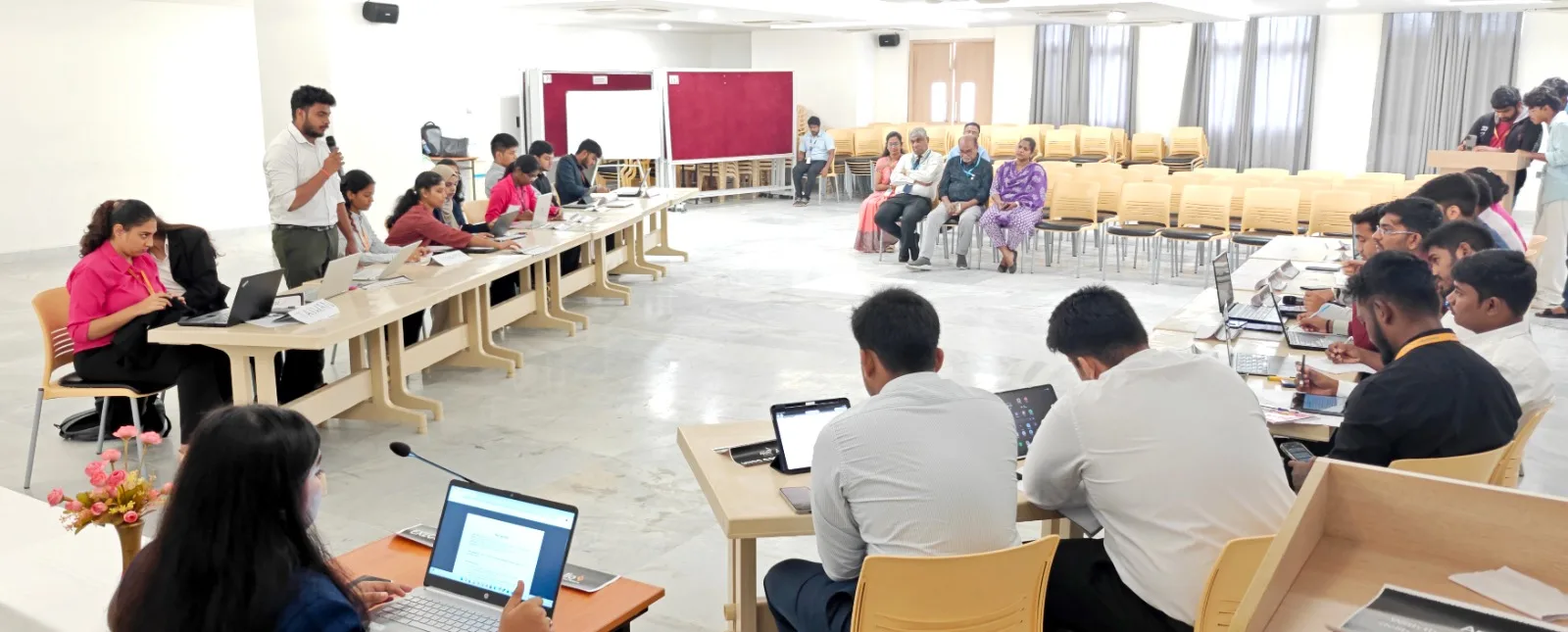
In observance of United Nations Day, The Apollo Model United Nations Club organized a Full-Day Mock United Nations Security Council (UNSC) Session on 25th October 2025, from 9:00 AM to 4:00 PM, at the Dr. PCRKC Auditorium, The Apollo University. The event was planned to provide students with a platform to understand global governance, geopolitical tensions, diplomacy, structured debate, and collaborative problem-solving. The theme for this session focused on the highly relevant and contemporary agenda: “Addressing Simultaneous Cyberattacks, Hybrid Warfare, and Military Threats Against NATO Member States: Strategic, Humanitarian, and Security Responses.”
The inaugural session was graced by the Chief Guest, Prof. A. SethuramaSubbiah, Controller of Examinations, The Apollo University. In his address, he emphasized the significance of nurturing young leaders with a global perspective, particularly in an era where international relations are deeply influenced by cyber resilience, digital warfare, and transnational security alliances. He highlighted that the United Nations was founded on cooperation, diplomacy, and collective security, and that such student-led Model UN platforms enable learners to analyze global crises through the lens of governance, humanitarian responsibility, and conflict-sensitive negotiation.
The event was graced by the presence of Dr. Alfred J. Augustine, Dean, Apollo Institute of Medical Sciences & Research (AIMSR), who addressed the gathering with a thoughtful and encouraging message. In his remarks, he highlighted the importance of cultivating global awareness and ethical leadership among students, especially in an age where international relations and conflict dynamics are rapidly evolving. He emphasized that beyond academic knowledge, platforms such as Model United Nations nurture critical thinking, diplomacy, empathy, and responsibility towards humanity. Drawing from his own academic and professional experience, he urged students to develop the ability to listen, negotiate, and collaborate—qualities that define effective leaders in real-world governance and healthcare systems alike. His address inspired the participants to view their roles as delegates not merely as an academic exercise, but as preparation for contributing meaningfully to society as informed and conscious global citizens.
Dr. S S Shani, Assistant Director, Student Affairs was also present for the event highlighting the importance of such sessions in student’s journey of academic pursuit. The faculty coordinator, Dr. S Sudha also addressed the gathering and reflected on how such deliberative academic spaces enhance critical thinking, communication, negotiation, leadership, and civic engagement among students.
Following the formal commencement, the Model UNSC session proceeded in accordance with official UN parliamentary procedures. Delegates representing various member and observer nations engaged in structured debate, presenting their country positions on national defense obligations, cyber sovereignty, information warfare, humanitarian corridors, and global peacekeeping responsibilities. The committee deliberations evolved through General Speakers' List, Moderated Caucuses, and Unmoderated Caucuses, during which alliances formed, policy positions were negotiated, and crisis response strategies were drafted. Students exhibited strong diplomatic reasoning and displayed awareness of current global tensions involving NATO alliances, cyber defense treaties, and the ethical dimensions of military intervention.
The debates highlighted the complexity of hybrid warfare, especially how cyberattacks can destabilize national infrastructure without physical combat, thereby blurring the lines between peace and conflict. Delegates also brought attention to the humanitarian fallout of conflict, emphasizing the need for civilian protection, refugee support systems, and international legal oversight. After several rounds of negotiation and drafting, the delegates collaboratively prepared a Draft Resolution, proposing enhanced intelligence-sharing frameworks, international cyber defense coalitions, coordinated humanitarian relief committees, and reforms to existing conflict-resolution mechanisms. The resolution was presented to the council and passed through a formal voting procedure, gaining majority approval.
The session saw enthusiastic participation from students across various schools including Technology, Management, Health Sciences, Allied Health Sciences, AIPS and from the Medical School, AIMSR. The delegates demonstrated commendable research depth, articulate public speaking, respectful diplomatic conduct, and the ability to collaborate under pressure to construct feasible policy outcomes. Faculty mentors and the MUN Executive Committee appreciated the professionalism and intellectual maturity displayed throughout the event.
The Mock UNSC Session concluded with reflective remarks on the importance of youth leadership in global dialogue. Students acknowledged that the experience expanded their understanding of global governance and sharpened skills essential for interdisciplinary academic growth and civic engagement. The Apollo Model United Nations Club announced that this session marks the beginning of a series of MUN initiatives at TAU.