
COURSE OVERVIEW
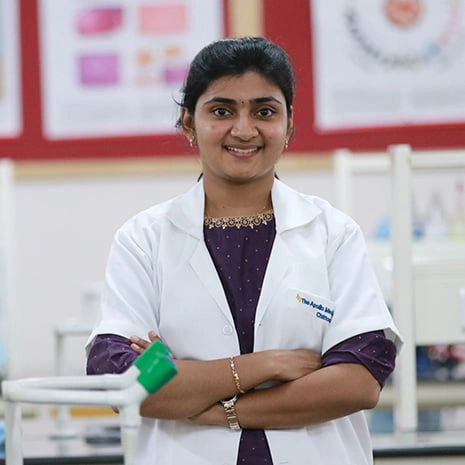
The Bachelor of Critical Care Technology program prepares skilled, ethical healthcare professionals to manage critically ill patients in high-acuity settings. It integrates core knowledge in respiratory, cardiovascular, and emergency care with hands-on clinical training and advanced life-support equipment handling. Students gain competency in operating critical care devices, monitoring patients, and responding effectively to emergencies using evidence-based protocols. The program also emphasizes clinical reasoning, communication, teamwork, infection control, and the use of health informatics for quality care delivery.
At The Apollo University, structured academic regulations and a merit-based admission process ensure high educational standards aligned with national guidelines. Graduates are equipped for multidisciplinary collaboration, continuous professional development, and contributions to research and quality improvement in critical care.Aligned with the National Commission for Allied and Healthcare Professions (NCAHP) guidelines, the curriculum focuses on outcome-based education, ventilator management, and advanced diagnostic techniques. Students receive hands-on training, clinical exposure, and research experience, preparing them for roles in healthcare, research, and academia.
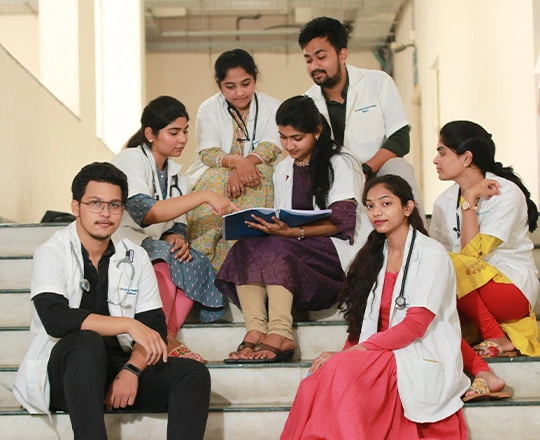


Programme Objectives
- Develop a strong foundation in critical care principles, including patient monitoring, respiratory care, cardiovascular care, and emergency medicine.
- Build proficiency in the operation, calibration, and troubleshooting of advanced critical care equipment.
- Equip students with essential emergency response skills, including trauma management and life support techniques (BLS, ACLS).
- Train students in infection prevention, control practices, and patient safety protocols.
- Provide extensive hands-on clinical training to bridge the gap between theory and real-world practice.
- Enhance clinical reasoning and decision-making abilities in managing critically ill patients.
- Foster effective communication skills for interaction with patients, families, and multidisciplinary healthcare teams.
- Encourage teamwork and collaboration in diverse clinical and high-pressure healthcare environments.
- Promote engagement in clinical research and the application of evidence-based practices in patient care.
- Instill a commitment to lifelong learning and continuous professional development in critical care.
PROGRAMME HIGHLIGHTS
Program Highlights:
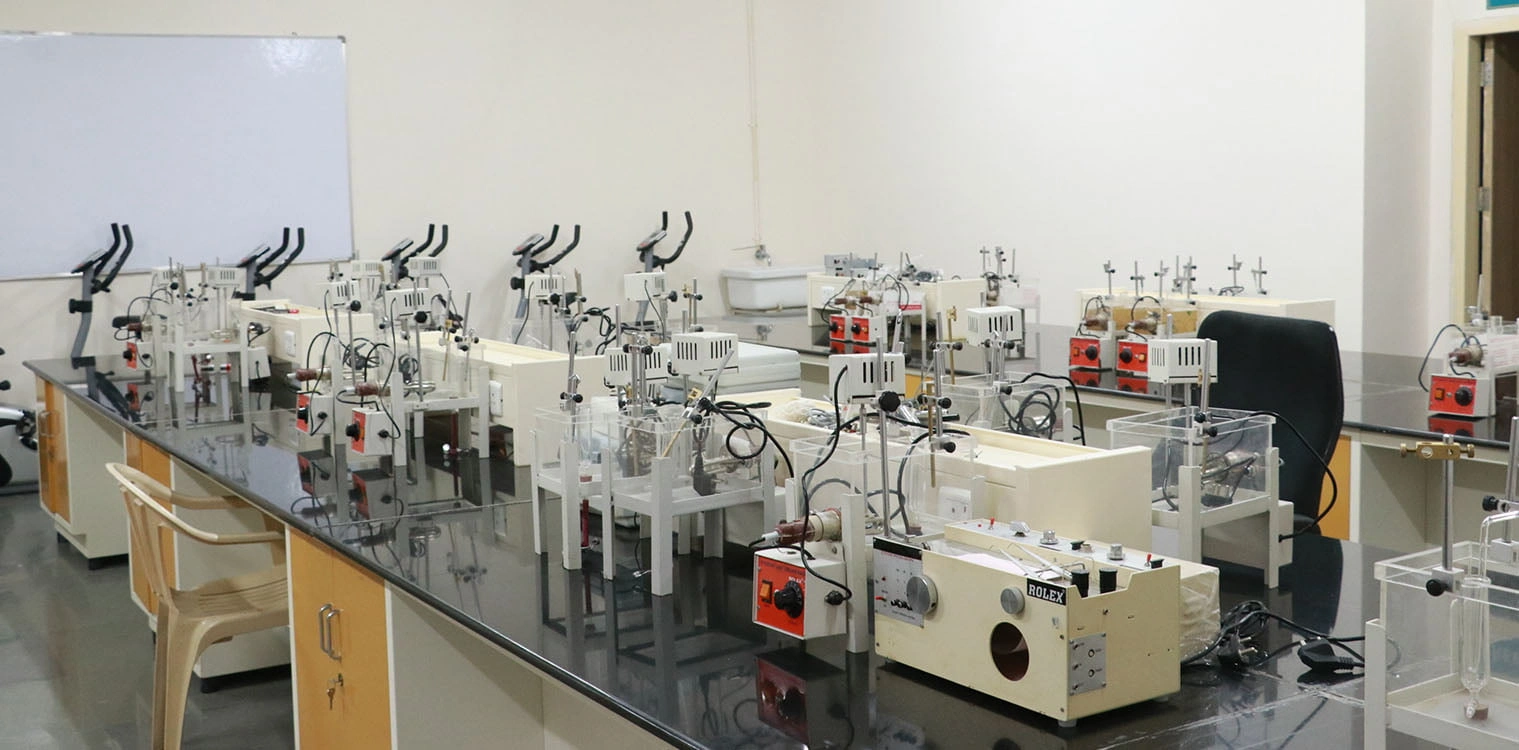
Programme Curriculum
- FIRST YEAR + -
SEMESTER – I (Common for all Specialisations)
Course Name Lecture Tutorial Practical Credits Contact Hours Anatomy 3 1 2 5 90 Physiology 3 1 2 5 90 Biochemistry 3 1 2 5 90 Medical Terminology 1 0 0 1 15 University Core (Communicative English) 3 0 0 3 45 University Elective – I 3 0 0 3 45 TOTAL 16 3 6 22 375 SEMESTER – II (Common for all Specialisations)
Course Name Lecture Tutorial Practical Credits Contact Hours Microbiology 3 1 2 5 90 Pathology 3 1 2 5 90 Pharmacology 3 0 0 3 90 Sociology & Psychology 2 0 0 2 30 University Core – II (Environmental Studies) 3 0 0 3 45 University Elective – II 3 0 0 3 45 TOTAL 20 2 4 24 435
- SECOND YEAR + -
SEMESTER – III
Course Name Lecture Tutorial Practical Credits Contact Hours Mechanical Ventilation – I 3 1 0 4 60 Arterial Blood Gas & Acid–Base Balance 3 1 0 4 60 Basic ICU Monitoring and Procedures 3 1 0 4 60 Clinical Skills – I 0 0 12 6 120 University Core – III (Health and Wellness) 3 0 0 3 45 University Elective – III 3 0 0 3 45 TOTAL 15 3 12 24 390 SEMESTER – IV
Course Name Lecture Tutorial Practical Credits Contact Hours Mechanical Ventilation – II 3 1 0 4 60 Hemodynamic Monitoring 3 1 0 4 60 Infection Control, QA & ICU Safety 3 1 0 4 60 Clinical Skills – II 0 0 20 10 300 TOTAL 9 3 20 22 480
- THIRD YEAR + -
SEMESTER – V
Course Name Lecture Tutorial Practical Credits Contact Hours Critical Care Cardiology & ECG 3 1 0 4 60 Neuro-Critical Care 3 1 0 4 60 ICU Administration & Patient Relations 3 1 0 4 60 Program Elective -I 3 0 0 3 45 Clinical skills-III 0 0 16 8 240 TOTAL 12 3 16 23 465 SEMESTER – VI
Course Name Lecture Tutorial Practical Credits Contact Hours Applied Critical Care (Case Seminars) 3 1 0 4 60 ICU Laws, Ethics & Accreditation 3 1 0 4 60 Program Elective -II 3 0 0 3 45 First aid and Emergency care 3 1 0 4 45 Clinical Skills-IV 0 0 16 8 240 TOTAL 12 3 16 23 450
- FOURTH YEAR + -
SEMESTER – VII – Common for all Specialisations
S. No Course Component Credits Contact Hours 1 INTERNSHIP-I 25 1104 Total 25 1104 SEMESTER – VIII – Common for all Specialisations
S. No Course Component Credits Contact Hours 1 INTERNSHIP-II 25 1104 PROJECT 6 180 Total 31 1248
PROGRAMME FEE AND SCHOLARSHIPS
| One-Time Fee | Admission Fee | ₹ 7,000 |
| 1st Year | Tuition Fee + Annual Recurring Fee | ₹ 1,20,000 + ₹ 13,000 |
| 2nd Year | Tuition Fee + Annual Recurring Fee | ₹ 1,20,000 + ₹ 13,000 |
| 3rd Year | Tuition Fee + Annual Recurring Fee | ₹ 1,20,000 + ₹ 13,000 |
| 4th Year | Tuition Fee + Annual Recurring Fee | ₹ 1,20,000 + ₹ 13,000 |
| Total Course Fee | ₹ 5,39,000 |
Scholarship is available for eligible students
Eligibility
- Application through university admission portal
- Eligibility verification (12th Board with BiPC with minimum 50%)
- Entrance test / Merit-based selection (as per institutional policy)
EMPLOYABILITY AREAS
Graduates of Bachelor of Critical Care Technology are equipped with advanced diagnostic, analytical, and research skills, enabling them to work across healthcare, sectors.

They can pursue roles such as:
- Critical Care Technologist (ICU)
- Ventilator / Respiratory Support Technician
- Cardiac Care Technologist (CCU)
- Clinical Application Specialist (Medical Equipment)
- Patient Monitoring & ICU Equipment Specialist
- Clinical Research Assistant (Critical Care)
- Simulation Lab Instructor / Clinical Skills Trainer
- Infection Control & Quality Assurance Assistant
-
1. What is the duration of the program?
+ -4 years (8 semesters)
-
2. What is the eligibility?
+ -12th Board with BiPC with minimum 50%
-
3. Is clinical training included?
+ -Yes, structured clinical postings and internship are part of the program.
-
5. What are the career opportunities?
+ -ICU Specialist, Researc specialist, Clinical application specialist